Where Winter Work Meets the First Signs of Spring
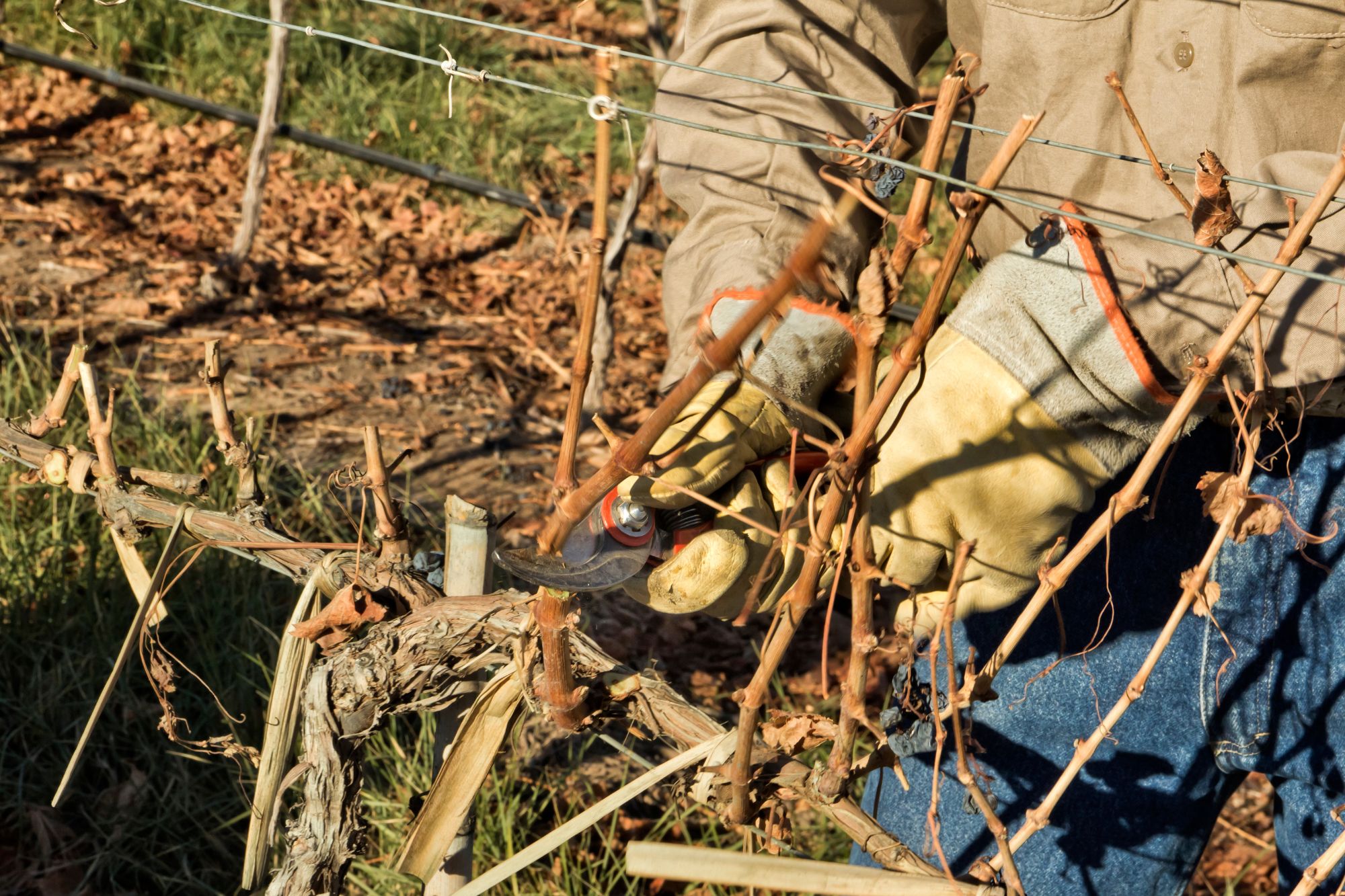
February is where the vineyard season gets organized. Equipment is serviced, vineyard plans are aligned with the needs of each site and pruning is in full swing.
March carries that work forward, but with a subtle shift. Across the Willamette Valley, we begin to see the first signs that the vines are waking up after winter dormancy.
One of the earliest indicators comes from the vines themselves. As the days warm, sap begins to push from the pruning cuts made earlier in the winter. Walking the rows this time of year, we often see the vines “bleeding” as water and nutrients begin moving upward through the vine. It’s an early indication that the vine is waking from dormancy and the season is beginning to move.
Bud break in the Willamette Valley is now just around the corner, with early sites expected to begin pushing in the coming days. We’re already seeing the first signs of bud swell as the vines wake from dormancy. With another warm spring underway, conditions are tracking similarly to last year, one of the warmest on record, and this season may be running two to three weeks ahead of average timing.
Watching the Vineyard as Early Growth Begins
Even before bud break arrives, we’re already paying close attention to how the vines respond to the changing season.
Early growth rarely happens uniformly across a vineyard. Differences in elevation, aspect, soil type, and grape variety all influence timing. A Chardonnay block at roughly 400 feet with a southwest exposure in the red soils of the Dundee Hills will begin breaking earlier than a Pinot Noir vineyard planted at 800 feet with an east-facing slope in the Van Duzer corridor.
These differences mean we’re walking the blocks daily, especially in sites that tend to warm up first. Young vines and certain varieties or clones, such as Chardonnay or early-pushing Pinot Noir selections like clone 777, often provide the first clues that growth is beginning.
The goal during this period is observation. We’re watching for signs that bud development is occurring evenly across the vineyard. Variability at this stage can signal differences in vine health or site conditions that may need attention later.
Early Spring Vineyard Risks
As vines begin transitioning out of dormancy, the vineyard also becomes more vulnerable to early-season risks.
Even with warmer temperatures this spring, frost remains the most significant concern once buds begin to swell. Low-lying vineyards or sites with limited air movement are typically more exposed, as cold air can settle into these areas during overnight temperature drops. Some vineyards rely on wind machines to help circulate air and reduce frost risk, but many sites simply require careful monitoring and preparation.
Pest pressure can also begin to appear. Mites may damage developing buds, while cutworm caterpillars emerge at night and crawl up the vines to feed on new buds and shoots. These issues are manageable when detected early, but if left unnoticed they can quickly become more difficult to control.
For us, the key during this stage is vigilance. As soon as a problem is identified, action becomes easier and more effective than trying to correct issues once populations expand.
Finishing Winter Vineyard Work
While the vineyard begins to show early signs of life, March is when winter projects are wrapped up.
Our crews use this quiet time to finish development work such as installing or repairing trellis wires, addressing irrigation repairs, and completing vineyard infrastructure improvements. Equipment preparation continues with tractors being de-winterized and sprayers calibrated before the pace of field work increases.
These final preparations help ensure the vineyard is ready when growth accelerates in the weeks ahead.

When Bud Break Starts the Season Clock
Bud break marks the moment when the vineyard’s seasonal clock truly begins.
In the Willamette Valley, bloom typically follows roughly fifty days after bud break, with harvest arriving about fifty days after bloom. Once buds push and shoots begin to grow, the rhythm of the growing season becomes clearer.
For now, March remains a period of transition — where winter work winds down, equipment and infrastructure are prepared, and we watch closely for the first signals that the season has begun.
When we walk the vineyards in early spring, we see the potential of the season ahead.
Soon enough, those signals will arrive.